Tag: Personal Defense World Magazine

  • Wilderness Survival and Kids – When to Start Teaching Them

    Wilderness Survival and Kids – When to Start Teaching Them

    Wilderness Survival training isn’t just for adults. Teaching kids wilderness survival skills at an early age lays the foundation for a lifetime of learning and exploration. This valuable skill set equips individuals with the knowledge and abilities to thrive in challenging and unpredictable situations. But who is it for? And why should it begin early? Even with kids?

    Why Teaching Wilderness Survival to Kids is Important

    Survival training is relevant for a wide range of people. This includes Outdoor Enthusiasts, Emergency Responders, Military Personnel, Preppers and Homesteaders, and Urban Dwellers. So, why start early with kids?

    Survival training for children has several compelling reasons:

    1. Building Resilience: Early exposure to survival skills fosters resilience. Kids learn problem-solving, adaptability, and self-reliance, which serve them well throughout life.
    2. Safety Awareness: Teaching kids about hazards, emergency procedures, and basic survival techniques ensures they can respond effectively in unexpected situations.
    3. Life-Long Habits: Skills acquired in childhood tend to stick. By instilling survival knowledge early, we equip kids with tools they’ll carry into adulthood.
    4. Confidence and Empowerment: Knowing how to build a fire, find edible plants, or create a shelter boosts confidence. Kids feel empowered when they can contribute to their well-being.
    5. Nature Connection: Survival training encourages an appreciation for the outdoors. Kids learn about ecosystems, wildlife, and environmental stewardship.

    Introducing kids to wilderness survival skills at an early age promotes a deeper understanding and appreciation for nature. This early exposure sparks curiosity, leading to a lifelong passion for outdoor activities and the environment.

    Furthermore, learning these skills helps children develop a strong connection with nature. Likewise, it fosters a more profound respect for the environment and a sense of responsibility toward preserving it.

    Additionally, teaching kids wilderness survival skills creates opportunities for quality bonding time with family members and peers. As a result, this helps foster strong relationships and create lasting memories.

    A pot hook is a good practice notch for learning knife skills for everyone.

    Start with “Hug-a-Tree”

    When getting started on what skills to teach, start with Hug-a-Tree. People tend to notice when children are missing fairly quickly. So, they must understand that staying put is their best course of action if they ever become lost.

    The Hug-a-Tree and Survive program was established in honor of Jimmy Beveridge, a nine-year-old boy who went missing in southern California in 1981. Tragically, his body was discovered approximately 3 miles from where he was last seen. Search teams said they could have located him sooner if he had stayed in one place and waited.

    The key takeaway from the program is not just about learning survival skills. It’s about embracing the Hug-a-Tree and Survive approach.

    Here are some survival training tips tailored for kids. These can be educational and fun, with extra focus on Shelter, Knife, and Fire skills.

    Easy Shelter Building

    Teach children how to set up basic shelters using cordage and natural materials. Hands-on shelter building is the best approach. Start by explaining what to look for when selecting a campsite for safety and comfort.

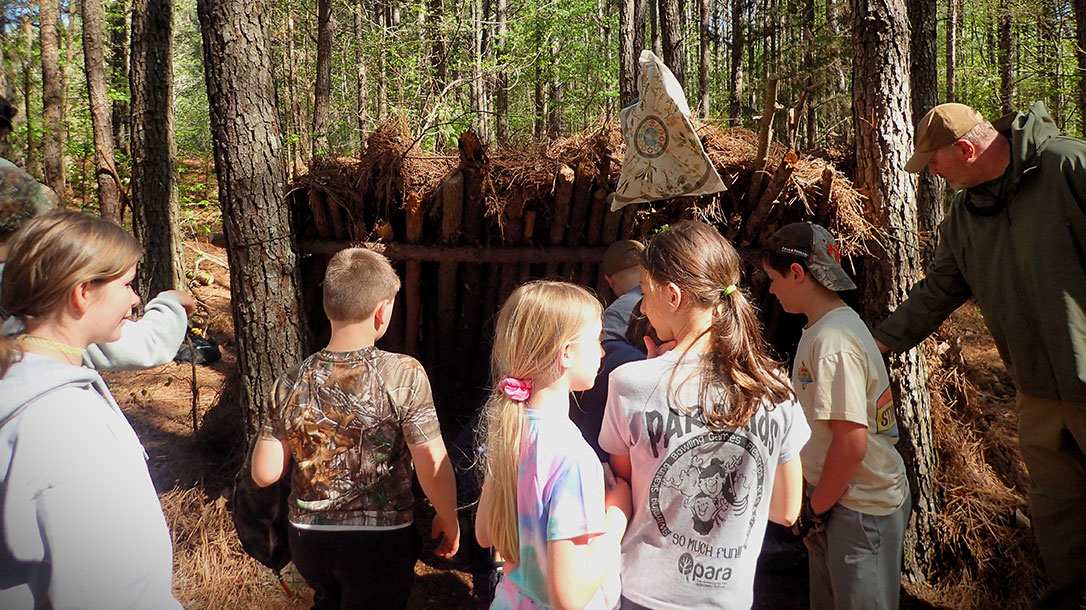
    A debris shelter requires few, if any, cutting tools, depending on the area and materials. A long, sturdy ridgepole must be lashed to a tree at an angle. Then, lean sticks against the ridgepole to minimize gaps.

    Once the general framework is set up and explained, it’s time to gather debris. Add plenty of pine straw and debris on top of the wood structure. Soon, it will resemble a hut-like mound of insulation. Kick additional insulation inside for a good amount of insulation.

    A debris hut is taught during the class as a group build. Individuals then get their pictures taken inside. This shelter takes about 2-hours to complete alone, but in a group, it took only 20 minutes.

    Another easy shelter is a classic lean-to, which is built at shoulder height. Start by selecting a sturdy ridgepole and securing it, then layer it with wrist-thick poles found on the forest floor. A small folding saw can make the process easier, but improvising is commendable.

    After laying a single course of thick poles, place smaller sticks at different angles to support the thatching using pine straw. You can fill a garbage bag with debris and dump it over the top for insulation. When the bag is filled for the last time, tie it off to create a mattress.

    Since the lean-to shelter is designed to work with an open fire in front, clear all debris from the front of the shelter and mark the location of the fire with a step.

    Teaching Kids Wilderness Survival: This is a lean-to shelter made from a ridgepole lashed between two trees and support poles leaning against it. Small sticks and debris are layered to create thatching for rain and wind.

    Pro Tip: Poles can be cut by placing them between the crotch of a tree or where two trees are close together. Once they are inserted, apply pressure to crack the poles.

    Knife Skills

    Knife skills and safety go hand in hand. It’s best to teach knife skills with a project or goal in mind—like processing wood for fire. Safely teaching knife deployment, passing techniques, cutting skills, and awareness of people or pets close by is essential for safety.

    Knife skills also go hand in hand with fire preparation. So, making and using a baton/maul are good skills to teach.

    A student uses a baton and knife to split his pole, which will become a fish spear.

    Basic Firemaking

    Teaching children about responsible firewood collection and safe fire building/extinguishing is vital for their outdoor skills. When working with younger children, it’s best to focus on the basics of fire safety rather than actual fire building. This activity involves teaching knife skills, which should be discussed, explained, demonstrated, and practiced.

    The one-stick fire method using dead wood can be a great way to introduce fire building. Once the students have prepared their wood, they can use a Ferro rod to experiment with various types of tinder, such as a cotton ball with Vaseline, jute twine, fatwood shavings, and feather sticks.

    Starting with the easiest and progressing to more challenging materials helps build confidence. It’s important to emphasize that if a material can be lit with a Ferro rod, it can easily be lit with a lighter. With practice, everyone can develop a firm grasp of these skills.

    Teaching Kids Wilderness Survival: Firemaking skills are paramount. Make sure to supervise kids while making and extinguishing fires.

    Finding and Collecting Water

    Use rain to teach kids how to collect rainwater. Show them how to use everyday items like baggies and plastic containers for water collection.

    Water Purification

    Explain the importance of clean drinking water and demonstrate simple purification methods, such as boiling or using purification tablets.

    Build Your Survival Kit

    Help kids assemble a basic survival kit with items such as a compass, fire-starting tools, an emergency blanket, a water filter, and a flashlight.

    Basic First Aid

    Conduct a ‘First Aid Race’ where kids learn to treat common injuries and understand the importance of first aid in survival situations.

    Remember, the key is to make these activities engaging and age-appropriate. Always supervise kids, especially when learning new skills, and make learning fun.

    Teaching Kids Wilderness Survival Lays a Lifelong Foundation

    In summary, survival training benefits diverse groups, and starting early with kids lays a foundation for lifelong preparedness and resourcefulness. Look around for schools and programs that offer training for kids and parents—and have fun!

    Teaching Kids Wilderness Survival: Kids are hardening their fish gigging spears near a fire. They all used a knife and cordage to complete their project.

    SIDEBAR – Don’t Forget A Whistle

    Carrying a whistle in the woods is an essential safety practice. In an emergency, a whistle can be a lifesaving tool—blow it three times. Three is the universal distress call. It can be heard over long distances and help rescuers locate you more quickly than if you were yelling.

    Additionally, whistles are crucial for essential signaling in the wilderness. They can communicate distress or call for help without expending as much energy as shouting. Whistles are also effective in limited visibility, such as dense forests or foggy conditions.

    Overall, having a whistle on hand can make a significant difference in staying safe and being found in an emergency.


  • 15 Must Haves For Your Natural Disaster Kit

    15 Must Haves For Your Natural Disaster Kit

    Whether it be hurricanes, floods, tornados, earthquakes or wildfires, natural disasters are a worldwide occurrence that happen on average 6,800 times per year. This means that it is especially important to stay prepared when these types of catastrophes strike. A simple and easy way you can do so is by building a natural disaster kit. Here are fifteen essential survival items you need to keep you and your family safe.

    Natural Disasters Kit’s 15 Lifesaving Items

    Water

    Depending on factors such as age, sex and overall health, a human can typically go about three to five days without water. This means that water is a vital necessity to have on hand, especially during a situation where clean drinking water may not be available. A reliable source of water to store in your kit is commercially pre-packaged water. These can either be plastic bottles, pouches or bags of water. As for how much to store, a general rule of thumb to follow is a gallon of water per day per person.

    Non-Perishable Food

    The second most important item to include in a survival kit is non-perishable food. This type of food is recommended because it does not expire quickly and can be stored in room temperature environments without any issues. Examples of these foods include canned vegetables, canned soups, rice, protein bars, dried fruits and nuts. It is best to stock up on a three-day supply of food and make sure you frequently check your food’s expiration. 

    Change of Clothes

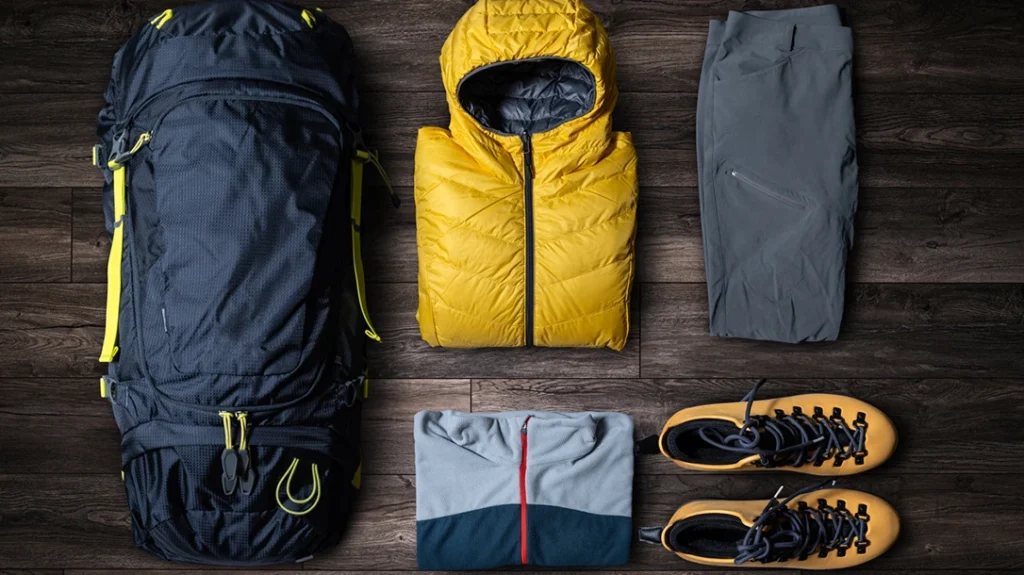
    During an emergency, staying warm and dry is extremely important to your health. This means that having a spare set of clothes per family member is ideal. It is advised to have layerable clothes such as long-sleeved shirts, long pants, socks, undergarments and even an extra pair of shoes. 

    Cash

    In many types of natural disasters, power outages are a common occurrence which means access to banks or credit card networks may not be readily available. By keeping cash in your kit, you are then able to purchase important necessities like lodging and fuel. Depending on the size of your family, it is recommended to store anywhere between $200 to $1,000. 

    Copy of Important Documents

    In an event you are unable to obtain original documents, it is a smart idea to keep documents copies in a survival kit. These documents can range from your driver’s license, passports, insurance policies and banking information. To avoid your copies getting wet or ruined, make sure you store them in a waterproof and fireproof bag. 

    Flashlight

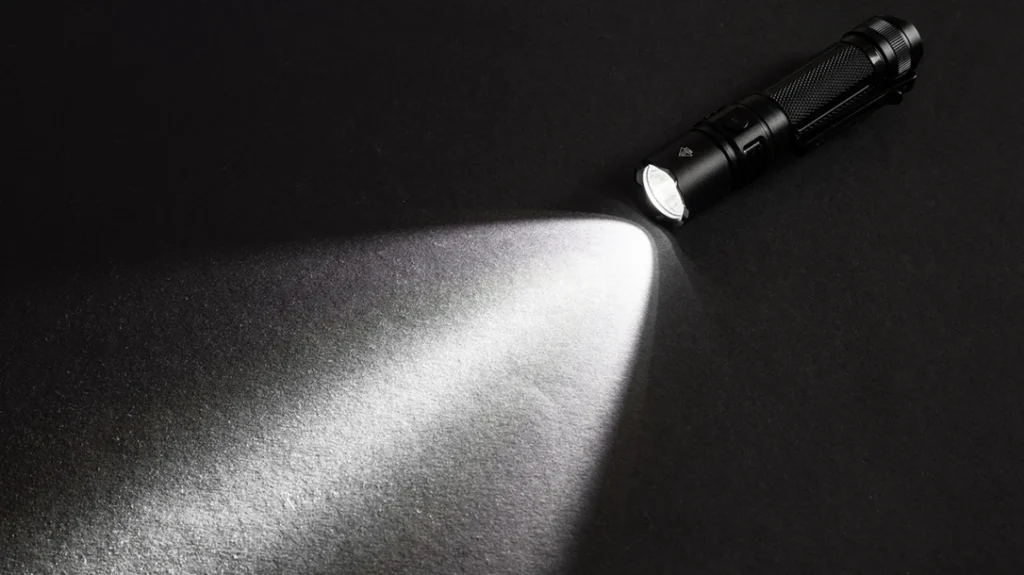
    Flashlights are another excellent item to keep in a disaster bag because not only do they serve as a light source, especially during a power outage, but they can be a useful tool to signal for help. It is recommended to choose a flashlight that has a high lumen output, different lighting options and one that is compact. Headlamps are also a good option to consider. 

    First Aid Kit

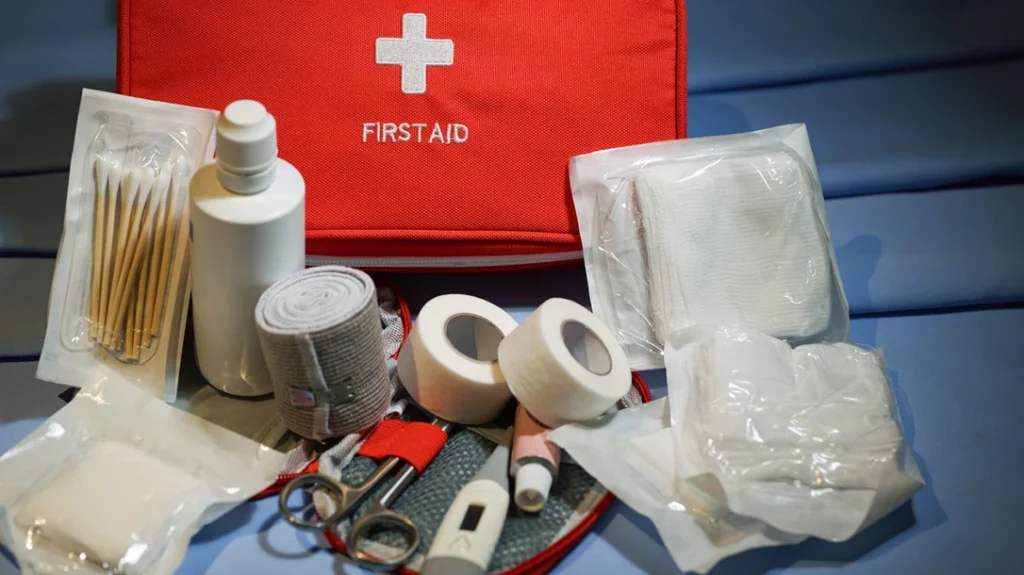
    In many types of natural disasters, injuries are a common occurrence, but it is vital to recognize that medical attention may not be readily available. If this is the case, a first aid kit is ideal to have on hand. These kits are great for treating minor injuries and even preventing injuries from worsening. Several items to include in your kit include bandages, gauze, tweezers and scissors. 

    Medication

    On top of having a first aid kit, medication is another medical supply to include in a disaster kit. These medications can include daily medications and vitamins you take, pain and fever releasers, allergy medications and topical ointments. 

    Respirator 

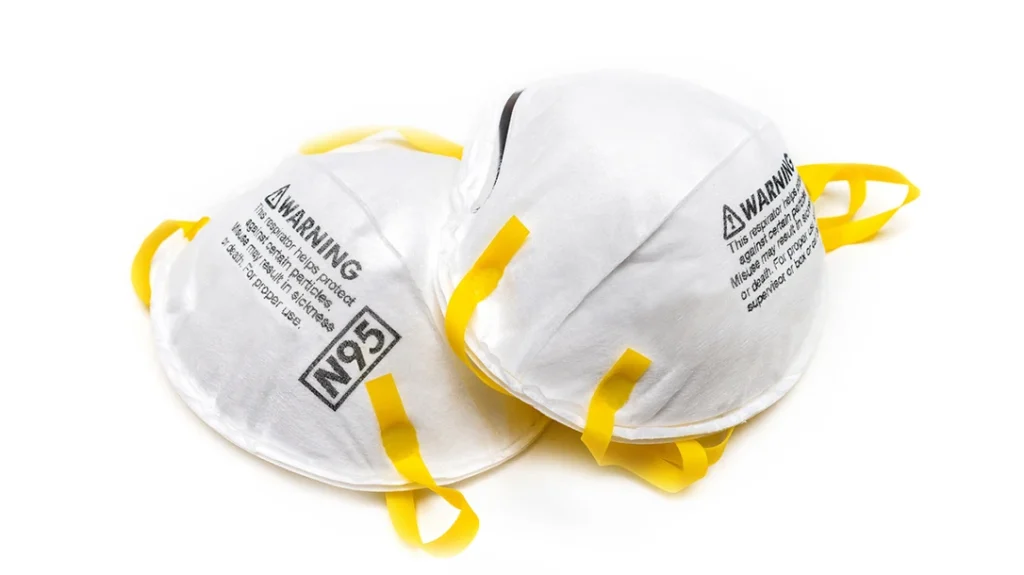
    Depending on the type of catastrophe you may face, smoke, debris, and unhealthy chemicals can become airborne which means that protecting your lungs is extremely crucial. A simple way you can do so is by including a respirator in your go-bag. A good option to start with is an N95 respirator mask which filters at least 95% of airborne particles. Nonetheless, make sure the mask you choose is NIOSH approved.

    Blankets 

    A blanket is another necessary item to store in a disaster kit because it not only helps keep you warm but can also provide shelter. However, when choosing a blanket to use for an emergency situation it must be one that is lightweight and portable. A great option to consider are known as emergency blankets or also called space blankets. These types of blankets are designed with a high reflective sheet that radiates heat back to the body. 

    Battery Powered Radio

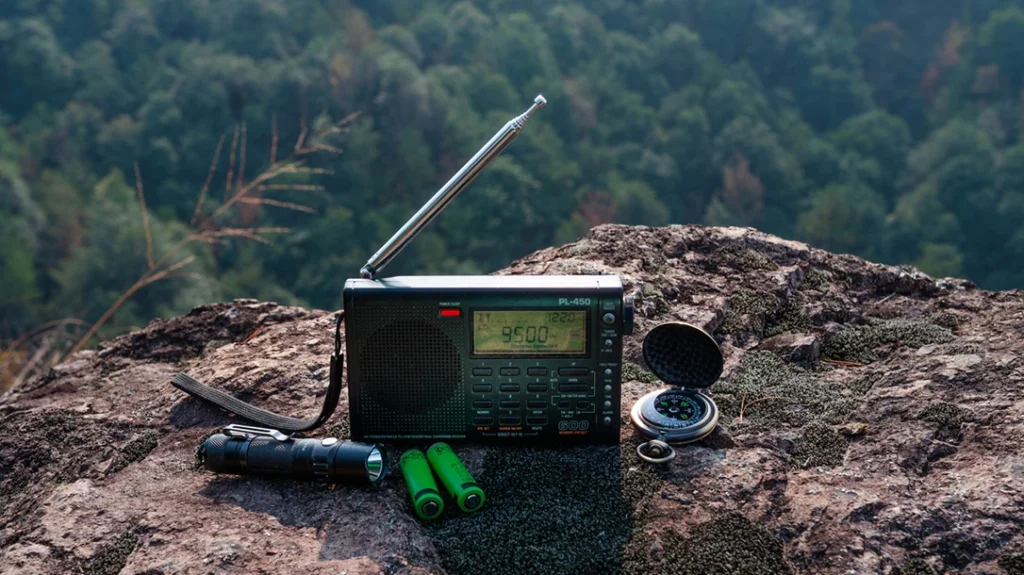
    In situations where electricity may not be available and you need to receive vital updates on the weather or evacuation orders, a battery powered radio is a great option to include in a disaster kit. These radios are often designed to be compact, run on either AA or D cell batteries and are able to receive both AM/FM radio signals. 

    Extra batteries

    If you plan on storing an item in your kit that requires batteries, it is a smart idea to have extra batteries per device on hand. Most batteries have a shelf life of 3 to 5 years, but it all depends on the type of battery and how it is stored. Nonetheless, make sure to store them in a cool, dry place and if able, keep them in the original packaging. 

    Poncho

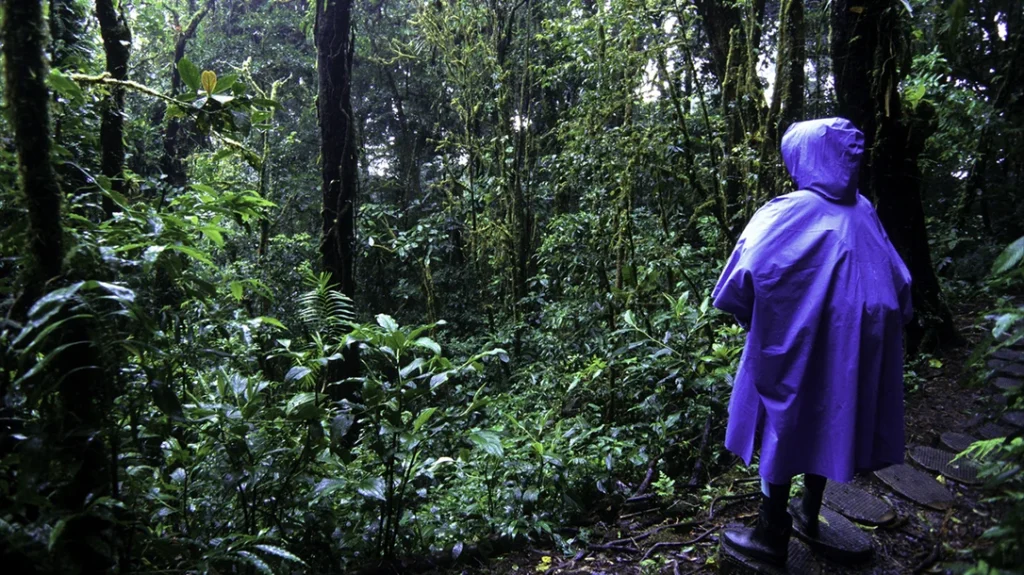
    Similar to having an extra set of clothes, a poncho is another recommended item to keep individuals warm and dry.  This type of clothing is typically made from nylon or PVC and is designed to be lightweight and compact. Moreover, you can also use ponchos to collect water or use as a covering to keep your belongings dry. 

    Portable Charger

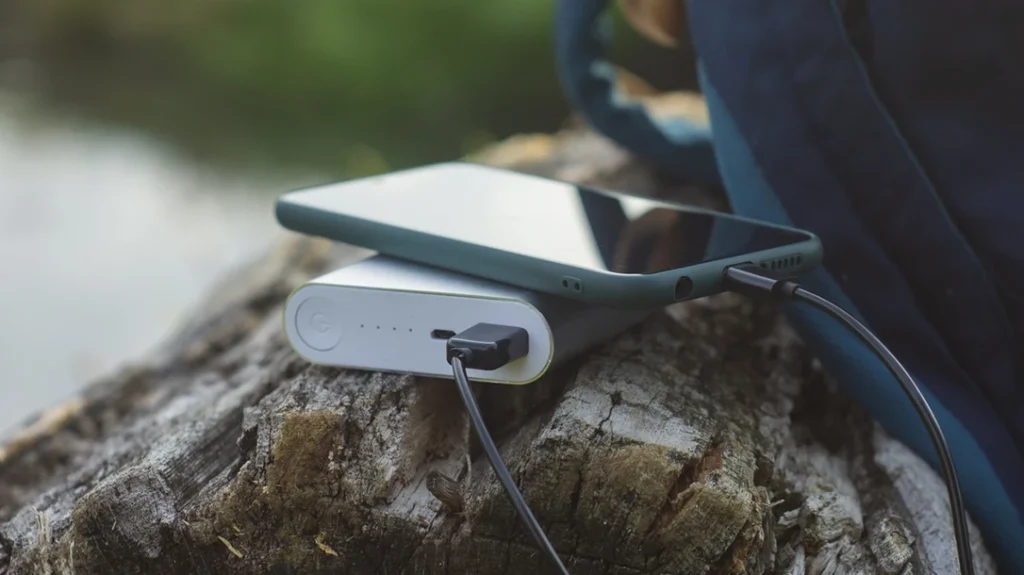
    In order to keep your phone fully charged to communicate with others and get vital lifesaving information, it is advised to purchase a portable charger for your kit. These devices are designed to be compact for easy storage and depending on the quality, can last up to 2 to 3 years. 

    Whistle

    The last item that is recommended to keep in your natural disaster kit is a whistle. In the event you need to signal for help, a whistle is the perfect tool to use. They are not only simple and straightforward to use but they are also easy and compact to store. 

    Peace Of Mind 

    On average, natural disasters kill approximately 40,000 to 50,000 people per year. This means that emergency kits are not only lifesaving to own but can help give you the peace of mind that no matter what happens, you and your family are covered. They are customizable, easy to store in your home or garage and generally inexpensive to own. Whether you build your own kit or purchase one already assembled, you can rest assured that this kit will keep you and your family safe.